
Table of Contents
Why NYC Streetwear Brands Are Rejecting Loud Logos
Loud chest logos built the streetwear industry, but a growing number of NYC streetwear labels are cutting them down or removing them entirely. The reason is simple: shoppers now judge a garment by fabric weight, stitching, and fit before they judge it by brand recognition. A 400 GSM heavyweight tee with no visible branding reads as higher quality to most buyers in 2026 than a 180 GSM shirt with a fist-sized logo across the chest. That shift in perception is what’s driving the move toward minimal branding.
What Is “Quiet Streetwear,” and Why Is It Replacing Logomania?
Quiet streetwear is a design approach that signals quality through fabric weight, cut, and construction instead of graphic size or logo placement. It replaced logomania, the decade-long trend of oversized box logos and front-and-center brand marks, because logomania stopped signaling anything once every fast-fashion retailer started printing 6-inch logos on 150 GSM blanks.
By 2026, a big logo no longer tells a shopper the garment is well made. It just tells them the brand paid for a screen print. Quiet streetwear brands responded by moving the signal from the graphic to the material itself. A brushed fleece hoodie at 380 GSM with a small woven tag communicates more about quality to an experienced streetwear buyer than a loud front graphic ever could, because the weight and hand-feel can’t be faked with a print file.
Why Is New York Specifically Leading This Shift?
New York streetwear has always built its identity on utility and material first, going back to workwear brands like Carhartt and the downtown skate labels of the 1990s that put durability ahead of branding. That lineage gives NYC streetwear brands a natural advantage as the market turns toward minimal design, because the fabric-first approach isn’t a new pivot for them, it’s a return to form.
NYC’s Design Lineage Favors Fabric Over Print
New York’s streetwear scene grew out of workwear and skate culture, where a garment’s job was to survive repeated wear, not to advertise a brand on the subway. That utilitarian root is why NYC labels tend to reach for heavyweight cotton, structured ribbing, and boxy fits rather than oversized front graphics when they want to signal quality. The city’s fashion history rewards a jacket that holds its shape after a hundred washes over one that photographs well on day one.
The GSM Standard Became the New Status Symbol
GSM, or grams per square meter, measures fabric weight, and it has become the number streetwear buyers actually care about. A standard retail tee runs 180 to 200 GSM. Heavyweight streetwear starts around 260 GSM and typically tops out near 400 GSM for boxy, structured cuts. Godspeed Shirt and other heavyweight cotton pieces sit in that upper range specifically because the fabric itself, not a logo, is what NYC streetwear shoppers are now paying for.
What Replaced the Big Chest Logo?
Brands didn’t abandon branding entirely, they relocated it. Instead of a large front graphic, most NYC streetwear labels now rely on:
- Small tonal embroidery placed at the chest or sleeve, visible up close but not from across the room
- Woven neck labels instead of printed tags, which read as a construction detail rather than an ad
- Back-neck or hem prints that show only when the wearer moves
- Fabric finish and garment dye as the actual point of differentiation between one heavyweight hoodie and another
This is why a lot of current NYC streetwear looks unbranded at a glance but reveals detail the closer you look. It’s a deliberate design choice, not an absence of one.
Is Minimal Branding a Business Risk for a New Streetwear Brand?
Yes, and it’s the real tradeoff behind this trend. A logo-free or logo-light product is harder for a new brand to get recognized on sight, which matters when brand recall drives repeat purchases. The brands making minimal branding work are compensating with consistent fit, a defined color palette, and product that performs well enough on fabric alone to earn word-of-mouth without a visible logo doing the marketing for them.
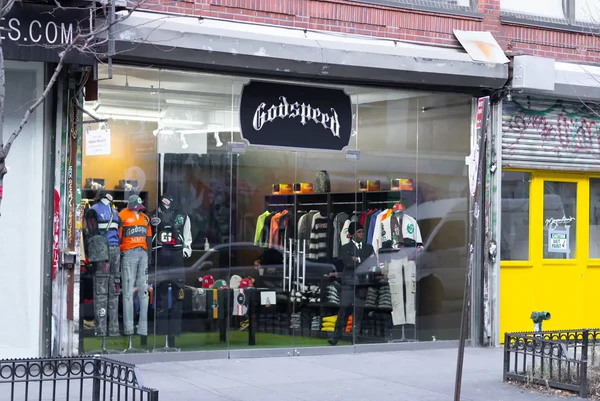
That’s the balance Godspeed New York works from too. Rather than dropping branding altogether, the approach keeps a small mark while putting the actual weight of the argument on heavyweight cotton construction, the kind detailed on the brand’s our story page. A shopper who picks up the Godspeed Hoodie lineup should be able to tell it’s premium before they ever see a tag.
How to Spot Real Quality Behind Minimal Branding
Not every “minimal” streetwear piece is actually well made, some brands use blank-looking product to hide thin fabric and cheap construction. Here’s what separates a genuinely heavyweight, minimally branded piece from a blank that’s just cutting corners on branding and materials both.
| Signal | Low-Quality Blank | Genuine Heavyweight Piece |
|---|---|---|
| Fabric weight | Under 220 GSM, feels thin when held up to light | 280 to 400+ GSM, no light passes through |
| Stitching | Single-needle, loose thread ends visible | Double-needle or reinforced seams at stress points |
| Fit after wash | Shrinks or loses shape after 2 to 3 washes | Holds shape at 30°C / 86°F cold wash |
| Neck and cuffs | Thin ribbing that stretches out fast | Dense ribbing that snaps back |
| Branding | None, because there’s nothing to show | Small woven tag or tonal embroidery, still present |
If a piece fails three or more of these checks, the “minimal” look is covering for cost-cutting, not a design philosophy. Before buying, it’s worth checking a brand’s size guide for actual garment measurements rather than relying on marketing photos, since fit is one of the fastest ways to tell a considered piece from a blank.
Frequently Asked Questions
What does “quiet streetwear” mean?
Quiet streetwear is a style of clothing design that uses fabric weight, cut, and construction to signal quality instead of large logos or graphics. It favors muted colors, heavyweight cotton, and small or hidden branding over the oversized chest logos that defined streetwear through the 2010s.
Is minimal branding the same as “quiet luxury”?
No, they’re related but not identical. Quiet luxury refers to high-end fashion brands like The Row that remove branding entirely to signal exclusivity through price and material. Minimal branding in streetwear keeps a small logo or mark but shrinks it, relying on heavyweight fabric and fit to do the rest of the signaling at a more accessible price point.
Why did NYC streetwear brands move away from big logos first?
NYC streetwear has workwear and skate-culture roots that always prioritized fabric durability over graphic size. As logomania saturated the wider market with cheap, heavily branded product, NYC labels had an existing fabric-first foundation to lean back into, which let them lead the shift rather than react to it.
How heavy should a streetwear hoodie be in GSM?
A genuinely heavyweight streetwear hoodie typically runs between 320 and 450 GSM. Anything under 280 GSM is considered midweight and will feel noticeably thinner and less structured, regardless of how the brand markets it.
Does minimal branding make it harder to buy the right size?
It can, since there’s less visual information on the garment itself to judge fit from a photo. Checking a brand’s size guide and measuring an existing piece you own against it is more reliable than judging fit from product photos alone, and most brands with a fair returns policy expect that some buyers will need to exchange for a different size.
The Logo Isn’t Gone, It’s Just Not Doing the Work Anymore
NYC streetwear brands aren’t rejecting branding, they’re rejecting the idea that a big logo can substitute for a heavyweight, well-constructed garment. The label got smaller because the fabric had to get better, and shoppers are the ones rewarding that trade. Browse the full collection to see where heavyweight cotton, not logo size, does the talking.