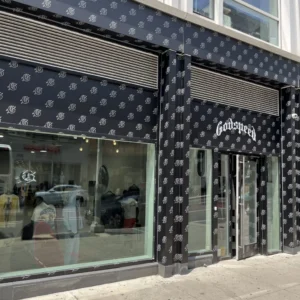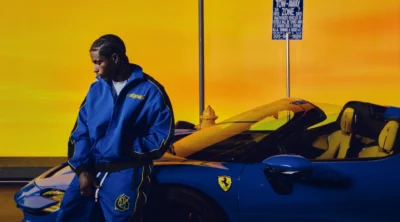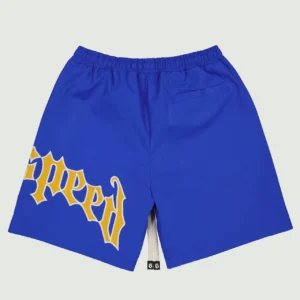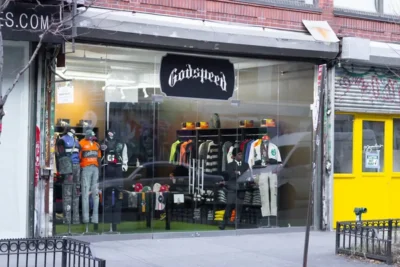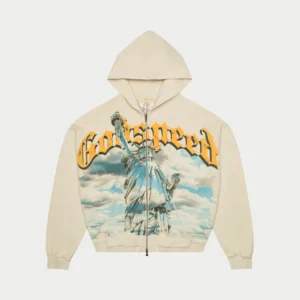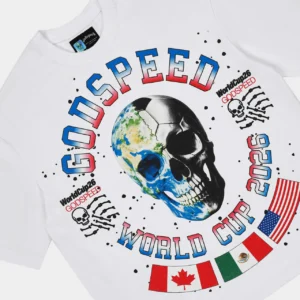

NYC streetwear did not start in a design studio. It started on the street, pulled from hip-hop, graffiti, and the way people in New York actually needed to dress: tough enough to survive the commute, expressive enough to say something without words. That origin shapes everything still happening in the scene today. This guide covers how the culture built itself, what it looks like now, and where a brand like Godspeed Clothing lands inside that history.
What NYC Streetwear Actually Means
The term gets used loosely now. Luxury brands attach it to anything with a graphic. Fast fashion copies the silhouettes. But NYC streetwear has a specific definition rooted in where it came from.
The roots trace back to the hip-hop scene of the 1970s and 1980s, the skateboarding culture in downtown Manhattan, and the graffiti artists working across the city. These were not separate scenes. They overlapped constantly, especially in the Bronx and Lower East Side, and the clothing reflected that overlap: oversized, durable, expressive, and practical for moving through a city all day.
The key word is practical. A 140gsm thin cotton tee is a retail product. A 280gsm heavyweight tee garment-dyed after construction is something you actually wear in November on the L train. NYC streetwear, at its core, was always about clothes built for real use inside a hard city.
How Hip-Hop Defined the Early Aesthetic
As hip-hop gained traction in the late 1970s and early 1980s, its pioneers adopted bold, statement-making looks. Brands like Kangol, Adidas, and Puma became part of the movement, thanks to artists like Run-D.M.C., who popularized tracksuits, sneakers, and bucket hats. These were not fashion statements made in isolation. They were extensions of a creative culture that was also producing its own music, visual art, and language.
The practical side mattered just as much as the aesthetic one. Loose fits allowed for movement. Durable fabrics survived constant use. Heavyweight cotton held shape through repeated washes in a way that cheaper alternatives did not. These functional requirements became the look.
How Drop Culture Changed Everything
Supreme was founded in 1994 on Lafayette Street by James Jebbia and became a downtown hub for skaters, artists, and rebels. Its limited releases and collaborations with artists and brands created hype and resale markets that changed fashion forever.
The drop model flipped the standard retail logic. Instead of constant availability, you released limited quantities, let demand exceed supply, and created pieces that meant something because not everyone could get them. That model is still the standard for independent NYC streetwear brands today.
What the NYC Streetwear Scene Looks Like Now
The scene in 2026 is more fragmented than it was in 1994 or 2010. Supreme is now owned by EssilorLuxottica. Kith has expanded into a global lifestyle brand. The “luxury streetwear” category that Supreme and Louis Vuitton’s 2017 collaboration helped define is now crowded with brands that started in streetwear and drifted toward high fashion.
That drift opened space for independent brands. The brands with real traction now are the ones that stayed close to the original logic: limited quantities, honest materials, and an aesthetic that comes from somewhere real.
The rise of underground streetwear brands in New York is challenging traditional fashion hierarchies by prioritizing authenticity, limited runs, and community-driven design. These labels often bypass mainstream retail, leveraging social media and pop-ups to cultivate exclusivity.
This is the current shape of the scene. Not one dominant brand setting the terms, but a range of independent labels each operating with a specific point of view.
Where Does Godspeed New York Fit?
Godspeed New York did not start from a business plan. It started from a specific frustration: streetwear that looked heavy on the rack and gave up after three washes. The brand tested mills at 240gsm and 400gsm, ran small batches through garment dye to see how color settled into the cotton, and chose to garment-dye after construction rather than before. Most brands skip that last step because it costs more and takes longer.
That is a direct continuation of what NYC streetwear was always supposed to be: built for actual use, not just built to sell.
The G.R.C Collection
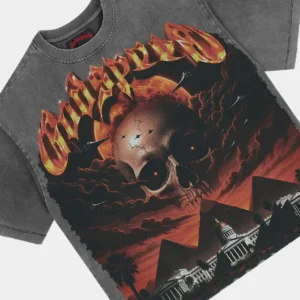
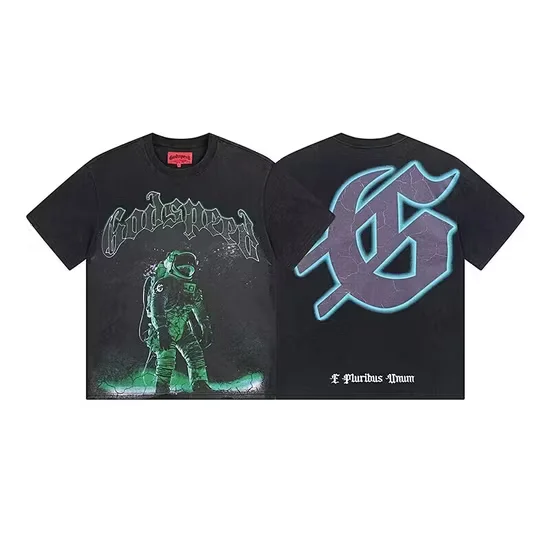
The Godspeed Racing Club (G.R.C) line is the brand’s louder side. Racing-inspired graphics, heavyweight sweatsuits, and pieces built around the idea of speed and precision under pressure. The G.R.C mark sits chest-height, slightly off-center, in a cracked ink texture that looks already broken in. The look is deliberate. Nothing about it is designed for one season.
Core Rotation
Core Rotation is the quieter side of the same philosophy. No bold graphics, no racing motifs. Just heavyweight cotton, dropped shoulder, and a boxy fit that holds its shape after repeated washes. This is the category that maps most directly to what NYC streetwear actually built its reputation on: pieces you reach for without thinking because they hold up and look better over time.
The godspeed hoodie line sits inside this category. Built from the same garment-dye process, oversized fit with ribbed cuffs, in colorways (black, grey, volt) that work in any context from the subway platform to a late night in Bed-Stuy.
What Makes NYC Streetwear Different From Generic Streetwear
This is a question worth answering directly, because the label gets applied to almost everything now.
Fabric Weight Over Fashion Weight
NYC winters are real. A 140gsm tee is not a streetwear piece in New York in October, it is a summer layer. The heavyweight cotton standard (anything above 240gsm) came from the climate and the lifestyle. Brands that genuinely come from this scene build their core pieces heavy. Brands that only borrow the aesthetic skip this detail because it costs more.
Durability Over Trend Cycles
Kith, founded by Ronnie Fieg in 2011, built the luxury crossover model that many brands now chase. That model works for brands at that scale. For independent NYC streetwear, the alternative model is simpler: make pieces that last longer than a season so they still mean something in two years.
Godspeed’s design philosophy runs backward from durability, not forward from trend. Every decision, the dropped shoulder, the boxy silhouette, the choice to garment-dye after construction, gets tested against one question: does this hold up to a real New York day?
Limited Drops Over Permanent Availability
The first Godspeed drop was ten hoodies. Sold out in four hours with no marketing budget. Not because the photo was exceptional, but because the people who saw it recognized the product for what it was. That is the original NYC streetwear business model. Limited quantities, no mass production, no permanent restocking of the same design.
How to Build a Real NYC Streetwear Wardrobe
The wardrobe logic here is simpler than most style guides make it. NYC streetwear is not about having every piece from one brand. It is about a few heavy, well-made pieces that work across every context.
Start With the Tee
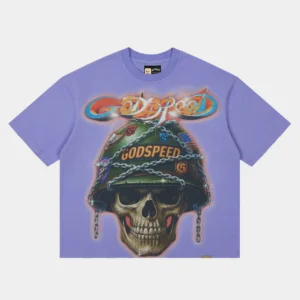
The godspeed shirt category is the right starting point. A heavyweight, garment-dyed tee in black or grey pairs with everything and holds its color across dozens of washes. This is the foundation layer. Get the fit right here first. Oversized, dropped shoulder, crewneck. Check the size guide before ordering, because oversized cuts run differently than fitted cuts and a medium in one brand can feel like a large in another.
Add the Hoodie for Year-Round Use
A heavyweight hoodie at 400gsm is not just a cold-weather layer. It is the piece that works in every NYC season except the peak of August. The hoodie is the single most versatile piece in the NYC streetwear wardrobe and the one most worth spending real money on, because a cheap hoodie loses its shape after five washes and a good one is still in your rotation five years from now.
The Tracksuit for the Full Look
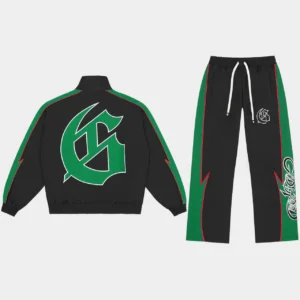
The tracksuit is where NYC streetwear and athletic heritage overlap most directly. Hip-hop’s early adoption of tracksuits from brands like Adidas turned the two-piece set into a cultural marker. A modern tracksuit from a brand that runs the same heavyweight cotton through both pieces creates a cohesive silhouette. Worn together or broken apart as separates, it is the most complete expression of the NYC streetwear aesthetic.
Frequently Asked Questions
What is NYC streetwear exactly?
NYC streetwear is a style of clothing that grew out of New York’s hip-hop, graffiti, and skate scenes starting in the late 1970s. It is defined by oversized silhouettes, heavyweight durable fabrics, bold graphics, and a drop-based retail model that limits availability to preserve value. The key distinction from generic streetwear is its connection to a specific city, culture, and set of functional requirements.
What makes a streetwear brand actually from NYC?
Origin and philosophy, not just a logo. Brands genuinely rooted in NYC build around the climate (heavyweight cotton for real winters), the culture (limited drops, community-first), and the city’s aesthetic language (bold but functional, minimal but durable). Brands that just borrow the visual language without the material standards are selling an aesthetic, not the real thing.
Is Godspeed New York a real NYC streetwear brand?
Yes. Godspeed New York built its product around the same standards that define NYC streetwear: heavyweight cotton between 240 and 400gsm, garment-dyed after construction, limited drop model, no mass production. The brand’s design philosophy runs backward from durability, not forward from trend. You can read the full origin story on the Our Story page.
How heavy should a real streetwear hoodie be?
Anything above 380gsm qualifies as a serious heavyweight hoodie. Mass market hoodies from fast-fashion brands typically run 220 to 280gsm, which holds shape for one or two seasons. A 400gsm hoodie holds its structure across multiple years of regular wear, which is why genuine NYC streetwear brands build at the heavy end of the weight range.
What is the NYC streetwear drop model?
The drop model releases a limited quantity of a product on a specific date with no permanent restocking. It originated with brands like Supreme in the 1990s and became the dominant retail model for independent NYC streetwear. Limited supply versus high demand creates pieces that retain cultural and monetary value. It is the opposite of the traditional retail model, where products stay available indefinitely until stock runs out.
NYC streetwear is not a trend. It is a material standard, a retail philosophy, and a design logic that has been running since the late 1970s. The brands that built it and the ones keeping it real share the same set of priorities: heavy fabric, honest fit, and pieces that hold up longer than one season. Browse the full collection at the Godspeed Clothing storefront.