
Transitional season streetwear means dressing for three different temperatures in one day: a 45°F morning, a 65°F afternoon, and a 50°F night. The fix isn’t buying season-specific clothes, it’s building a small system of pieces at different fabric weights that stack and unstack as the temperature moves. This guide breaks that system down by GSM, not by vibes, so you can actually plan an outfit instead of guessing every morning.
Why Transitional Weather Breaks Most Wardrobes
Transitional season dressing is the practice of layering garments at different fabric weights so an outfit can be added to or removed from throughout the day as temperature shifts. It works by putting the lightest fabric closest to the body and progressively heavier fabric on top, so each layer can come off independently without leaving you under or overdressed. It’s most useful in early spring and mid-to-late fall, when morning and afternoon temperatures can differ by 15 to 20 degrees.
Most wardrobes fail in this window because people own summer clothes and winter clothes, with almost nothing built for the middle. A heavy winter coat is unusable at 3pm in October. A summer tee is unusable at 7am in the same week. The result is either overheating indoors after wearing too much, or being stuck cold at night after leaving the jacket at home.
The fix isn’t a different wardrobe. It’s a layering system that treats fabric weight as the actual variable, not the season on the calendar.
The Three-Layer Framework
Base layer, mid layer, outer layer. That’s the whole system. Base is what touches skin. Mid is the piece doing the actual insulating. Outer is what comes off first when the temperature climbs. Each layer should be a genuinely different weight, not three tees of the same fabric stacked on top of each other, since that adds bulk without adding real temperature range.
What GSM Actually Tells You About Layering
GSM (grams per square meter) measures how dense a cotton fabric is. Lower GSM (120 to 160) means thin, breathable fabric best worn alone or as a base layer. Higher GSM (200 to 400+) means thick, structured fabric that holds heat and shape, better suited as a mid or outer layer. Matching GSM to layering position, not just to “warm” or “cool,” is what makes a transitional outfit actually work.
A 140gsm tee is built to be worn alone in warm weather. Layer a jacket over it and it does almost nothing to add warmth, since there’s not enough fabric mass to trap heat. A 240 to 400gsm tee behaves differently. It has enough structure to function as a mid layer on its own, meaning you can wear it under a jacket on a cold morning and then take the jacket off at lunch and still look intentional, not underdressed.
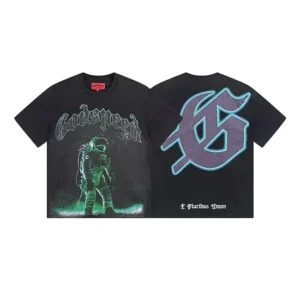
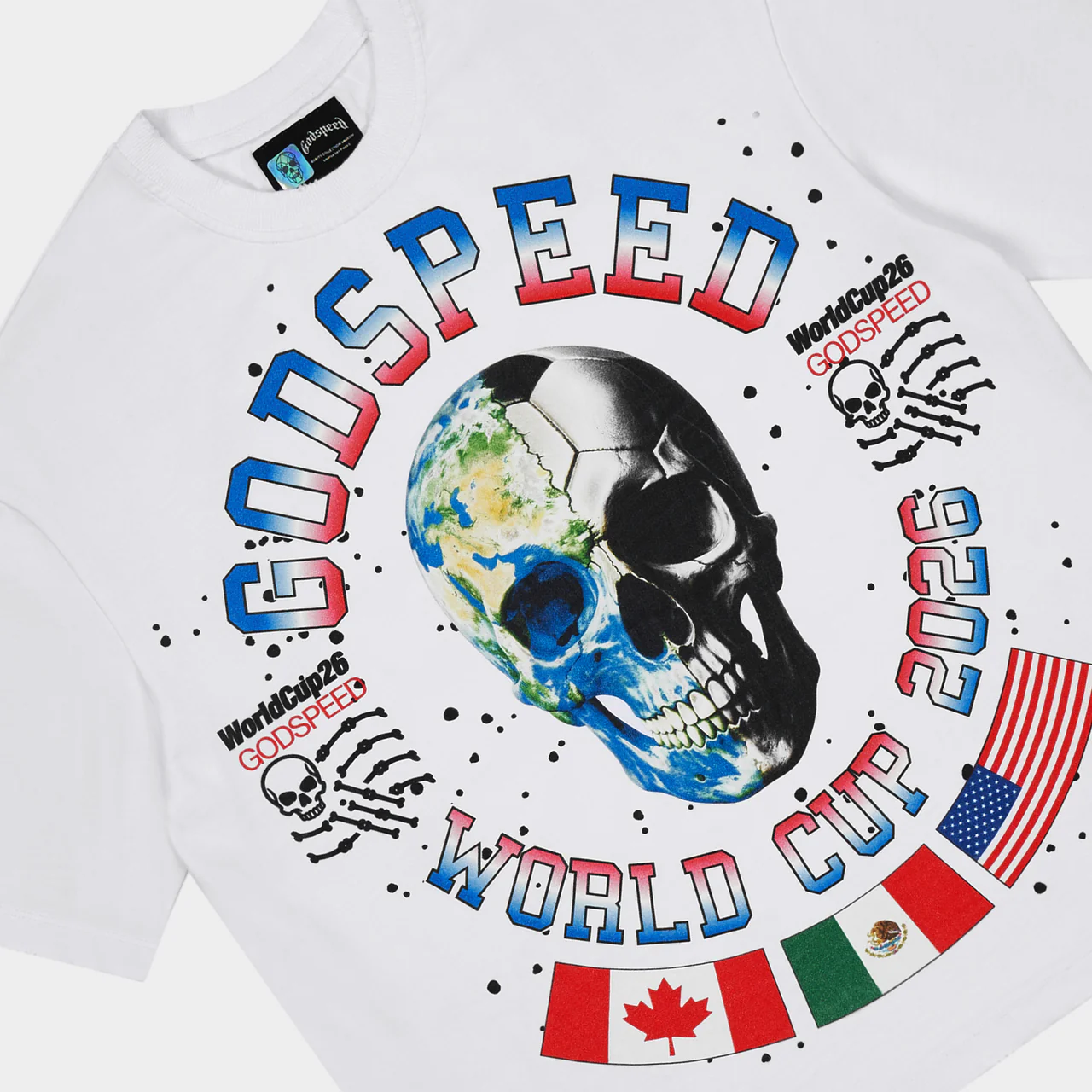
This is the exact range Godspeed shirts sit in. Mills were tested at 240gsm and 400gsm specifically because that weight range does double duty: heavy enough to wear alone on a mild day, structured enough to layer under something heavier on a cold one.
Why Heavier Cotton Layers Better Than It Looks
The instinct is that heavy fabric is only for cold weather. That’s wrong for garment-dyed heavyweight cotton specifically. Because the weave is denser, it traps a thin layer of air against the body without feeling bulky, the same way midweight cotton fleece regulates temperature better than a thin cotton-poly blend at the same visual thickness. A 400gsm tee under an open jacket reads as one clean layer, not two competing ones.
Building the Transitional Fit, Layer by Layer
Base Layer: The Tee That Can Work Alone or Under Something
Start with a godspeed shirt at 240gsm. This is light enough to not overheat you indoors, heavy enough to hold its shape and act as a real mid layer once something else goes over it. Black or grey works with everything you’ll pair it with later, since transitional dressing already has three layers competing for attention, and a busy base layer adds a fourth variable you don’t need.
Fit matters more here than in any other season. An oversized, dropped-shoulder cut gives you room to layer without the tee bunching under a jacket. A fitted tee will ride up and bunch at the waist the moment you add a mid layer over it. Check the size guide before you buy, since the room you need for layering is exactly the room a fitted cut won’t give you.
Mid Layer: The Piece Doing the Actual Work
This is where a hoodie earns its place. A 400gsm hoodie is the single most transitional-season-friendly piece in a streetwear wardrobe, because it works three ways: alone on a 55°F day, over the base tee on a 45°F morning, or under an open jacket on a 35°F one. Ribbed cuffs matter here too, since they seal the sleeve opening and stop cold air moving up the arm the way a plain hem doesn’t.
The mistake most people make in transitional weather is treating the hoodie as the outer layer year-round. It’s built to be a mid layer. Once temperatures drop into true winter range, it needs something over it. Wearing it as the outermost piece on a 30°F day is asking one garment to do two jobs it wasn’t built for.
Outer Layer: What Comes Off First
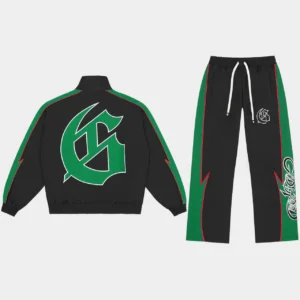
The outer layer is the piece you remove the moment the temperature climbs, which is why it should never be your warmest piece. A tracksuit jacket, worn open over the hoodie, gives you a fourth temperature setting without adding a garment that traps heat once you’re indoors. Worn zipped, it’s your outer shell for the coldest part of the morning. Worn open, it’s a layer you can shrug off entirely without breaking the outfit, since the hoodie and tee underneath already read as a finished look on their own.
A Real Transitional Outfit, Built From the System
Here’s the system applied: a 240gsm shirt as base, a 400gsm hoodie as mid layer, and a tracksuit jacket worn open as outer. At 7am, everything’s on and zipped. By 1pm, the jacket’s off and tied around the waist or carried, and the hoodie alone reads as a complete outfit. By 7pm, the jacket goes back on for the temperature drop. Same three pieces, three different looks, zero wardrobe changes required.
This is the same fabric-weight logic covered in the NYC streetwear piece on this blog: heavier cotton isn’t a seasonal choice, it’s a structural one that pays off across more of the year than lighter fabric does.
Common Transitional Layering Mistakes
Stacking the Same Weight Twice
Two midweight pieces don’t create the range one heavyweight and one lightweight piece does. If your base tee and your mid layer are both around 180gsm, you’ve added bulk without adding a real temperature buffer. Each layer needs a genuinely different weight to do a genuinely different job.
Buying One Jacket for the Whole Season
A single mid-heavy jacket worn every day in a 20-degree temperature swing means being overdressed half the time and underdressed the other half. The fix isn’t one perfect jacket, it’s a mid layer heavy enough to stand alone on the mild days and an outer layer light enough to remove without losing the outfit on the cold ones.
Frequently Asked Questions
What GSM is best for transitional season layering?
A 240gsm base layer and a 380 to 400gsm mid layer covers most transitional weather. The base needs to be light enough to wear alone on a mild afternoon, and the mid layer needs enough structure to function as a standalone piece once the outer layer comes off. Going heavier than 400gsm on the mid layer makes it too warm to remove and re-add throughout the day.
Can a hoodie work as an outer layer in transitional weather?
Only on the mildest transitional days, generally above 55°F. Below that, a hoodie functions better as a mid layer under an open jacket, since it’s built to insulate, not to block wind. Wearing it as the outermost piece on a cold morning means losing the wind resistance an actual outer layer would give you.
Why does heavyweight cotton layer better than lightweight cotton?
Heavyweight cotton (240gsm and up) has enough density to trap a thin layer of warm air against the body without adding visible bulk, similar to how midweight fleece regulates temperature. Lightweight cotton under 160gsm doesn’t have enough mass to do this, so it adds almost no insulation even when layered.
How many layers is too many for transitional dressing?
Three is the functional limit; base, mid, and outer. A fourth visible layer usually means one of the first three was the wrong weight for its job. If you’re reaching for a fourth piece to stay warm, the mid layer is probably too light for the actual temperature.
Conclusion
Transitional season dressing isn’t about owning more clothes, it’s about owning the right three weights. Start with the Godspeed Clothing shop to build the base, mid, and outer layers that actually carry you through a 20-degree swing in one day.